

Staying active becomes increasingly important as you get older. However, healthy movement depends on more than strong muscles and flexible joints. Your circulation also plays a major role.
Good vascular health helps deliver oxygen-rich blood throughout your body, including your legs and feet. When circulation becomes impaired, walking and everyday activities may become uncomfortable. Over time, vascular problems can also affect your overall mobility and independence.
Understanding the connection between vascular health and mobility can help you recognize warning signs earlier. It can also help you seek treatment before circulation problems become more serious.
Why Vascular Health Becomes More Important With Age
Your vascular system includes the arteries and veins that move blood throughout your body. Arteries carry oxygen-rich blood away from your heart. Meanwhile, veins return blood toward the heart.
As you age, several conditions can interfere with this process. Arteries may become narrowed by plaque buildup. Additionally, valves inside the veins can weaken and allow blood to pool in the legs.
These problems can cause pain, swelling, heaviness, weakness, or wounds that heal slowly. Consequently, activities that once felt easy may become more difficult.
For older adults, maintaining good vascular health can therefore play an important role in preserving mobility.
How Peripheral Arterial Disease Can Affect Walking
Peripheral arterial disease, commonly called PAD, develops when arteries supplying the extremities become narrowed or blocked. This reduces blood flow, particularly to the legs.
One of the most recognizable PAD symptoms is claudication. This is leg pain or discomfort that occurs while walking and often improves after resting.
That pattern can create a difficult cycle. Walking hurts, so a person walks less. Reduced activity can then contribute to declining strength and endurance.
PAD may also cause numbness, weakness, foot wounds, or pain while resting. Therefore, symptoms that repeatedly appear during activity should not automatically be dismissed as normal aging.
Sonoran Vein and Endovascular provides diagnostic testing and treatment for PAD. Their vascular specialists use options such as ankle-brachial index testing, duplex ultrasound, angiography, and other vascular assessments.
Venous Problems Can Limit Mobility Too
Arterial disease is not the only circulation problem that can affect movement.
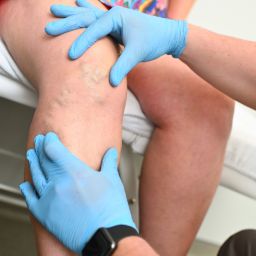
Chronic venous insufficiency and varicose veins can cause blood to collect in the legs. As a result, patients may experience aching, swelling, pressure, or a heavy feeling.
These symptoms can become especially noticeable after prolonged standing or sitting. Additionally, swollen or uncomfortable legs may discourage regular walking and exercise.
Varicose veins are sometimes viewed as primarily cosmetic. However, visible veins may also accompany underlying venous circulation problems.
A vascular evaluation can help determine whether symptoms are caused by venous disease. Treatment may improve comfort while addressing the underlying circulation issue.
What Vascular Symptoms Can Affect Everyday Mobility?
Vascular disease does not always cause dramatic symptoms at first. Instead, changes may develop gradually.
Common warning signs can include:
- Leg pain while walking
- Heaviness or aching in the legs
- Persistent leg or ankle swelling
- Numbness or weakness
- Changes in skin color
- Coldness in one foot or leg
- Varicose veins
- Foot or leg wounds that heal slowly
- Pain in the feet or legs while resting
Because several conditions can cause these symptoms, an accurate diagnosis matters.
For example, leg pain might come from joints, nerves, muscles, or circulation. Therefore, vascular testing can help determine whether blood flow is contributing to the problem.
Why Maintaining Circulation Can Help Preserve Independence
Mobility affects much more than exercise. It influences your ability to shop, travel, work around your home, spend time with family, and remain independent.
When circulation problems make walking painful, everyday activities can gradually shrink.
Early vascular care may help identify problems before they reach an advanced stage. Depending on the condition, treatment may help improve circulation, reduce symptoms, support wound healing, or protect an affected limb.
Sonoran Vein and Endovascular’s limb-preservation program specifically focuses on helping patients maintain as much mobility and daily function as possible. It also addresses serious risks associated with conditions such as PAD, diabetes, poor blood flow, and difficult-to-heal wounds.
How Vascular Problems Are Diagnosed
Modern vascular testing can often provide significant information without major procedures.
Sonoran Vein and Endovascular operates an on-site vascular lab using arterial and venous ultrasound technology. Testing can evaluate blood flow, blockages, narrowing, venous insufficiency, blood clots, and other vascular concerns.
The practice also uses PAD testing that can include:
- Ankle-brachial index, or ABI
- Toe-brachial index, or TBI
- Pulse volume recordings
- Duplex ultrasound
These tests help vascular specialists understand how effectively blood is reaching the legs and feet.
Importantly, an evaluation does not automatically mean surgery will be necessary. Instead, diagnosis allows your provider to identify the problem and recommend an appropriate treatment plan.
Minimally Invasive Treatments May Help Restore Blood Flow
Many vascular conditions can now be treated using minimally invasive endovascular procedures.
For PAD, treatment options may include angioplasty, stenting, atherectomy, or other procedures designed to improve arterial blood flow. Sonoran Vein and Endovascular also provides treatment for venous conditions such as varicose veins.
Endovascular procedures are performed through small access points rather than large surgical incisions. Consequently, they may offer shorter recovery periods and less discomfort compared with traditional open surgery for appropriate patients.
Treatment recommendations depend on the condition, its severity, and the patient’s overall health.
Healthy Aging Includes Paying Attention to Your Circulation
Remaining mobile as you age often requires protecting several parts of your health at once. Strength, balance, joints, and cardiovascular fitness all matter. However, vascular health should also be part of that conversation.
Pay attention when walking becomes increasingly painful. Likewise, do not ignore persistent swelling, leg heaviness, numbness, or wounds that are slow to heal.
Those symptoms may indicate a circulation problem rather than an unavoidable part of getting older.
Regular activity, avoiding tobacco, managing blood pressure and cholesterol, and controlling diabetes can all support vascular health. Additionally, people with vascular symptoms or significant risk factors may benefit from professional evaluation.
Protect Your Mobility With Expert Vascular Care
Healthy circulation can make a meaningful difference in your ability to remain active and independent.
Sonoran Vein and Endovascular provides comprehensive vascular care for patients throughout Arizona and New Mexico. Their team diagnoses and treats arterial and venous conditions, including peripheral arterial disease, varicose veins, chronic wounds, and complex limb-threatening circulation problems.
With advanced vascular testing and minimally invasive treatment options, the goal is to identify circulation problems and create an appropriate plan for each patient.
If leg pain, swelling, weakness, or poor wound healing is affecting your ability to stay active, contact us at Sonoran Vein and Endovascular. Schedule a vascular evaluation and learn whether circulation may be contributing to your mobility concerns.