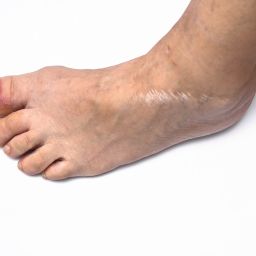


Circulation problems do not always cause obvious symptoms during their earliest stages. In fact, some vascular conditions may develop quietly for years. Routine vascular screenings can identify warning signs before those conditions cause lasting damage.
These screenings evaluate how blood moves through the arteries and veins. They can reveal narrowing, blockages, blood clots, venous reflux, and other concerns. Earlier detection may also provide more treatment options and help prevent serious complications.
At Sonoran Vein and Endovascular, experienced vascular specialists provide diagnostic testing and comprehensive care for arterial and venous conditions. Patients receive personalized recommendations based on their symptoms, medical history, and screening results.
What Are Routine Vascular Screenings?
Routine vascular screenings are tests used to examine blood vessels and measure circulation. Many of these tests are noninvasive, painless, and completed without incisions.
Vascular specialists may use ultrasound technology to view blood flow in real time. They can also examine vessel walls and identify areas where circulation appears restricted.
The appropriate screening depends on each patient’s risk factors and symptoms. Therefore, a vascular evaluation often begins with a medical history and physical examination.
Possible tests may include:
- Arterial ultrasound examinations
- Venous ultrasound examinations
- Carotid duplex evaluations
- Blood pressure comparisons between the arms and ankles
- Tests for venous reflux
- Evaluations for possible deep vein thrombosis
These tests can provide valuable information without requiring extensive preparation or recovery time.
Why Circulation Problems Can Go Unnoticed
Many people associate vascular disease with severe leg pain or visible varicose veins. However, circulation problems can produce mild or inconsistent symptoms.
For example, someone may experience leg fatigue and assume it results from aging. Another person may dismiss foot numbness as temporary discomfort. Additionally, swelling may improve overnight and return later in the day.
Some people also adjust their daily activities without realizing it. They may walk shorter distances or take more breaks because of discomfort. As a result, an underlying circulation problem can remain hidden.
Routine vascular screenings can help identify issues that symptoms alone may not clearly reveal.
Conditions That Vascular Screenings May Detect
Vascular testing can help specialists evaluate several conditions affecting the arteries and veins.
Peripheral Arterial Disease
Peripheral arterial disease, commonly called PAD, develops when narrowed arteries reduce blood flow to the limbs. Plaque buildup is a frequent cause.
PAD may cause cramping, weakness, numbness, cold feet, or pain while walking. However, some patients have few noticeable symptoms.
Without proper treatment, severe PAD may contribute to wounds, infections, and limb-threatening complications. Therefore, early diagnosis can play an important role in protecting long-term mobility.
Chronic Venous Insufficiency
Chronic venous insufficiency occurs when leg veins struggle to return blood toward the heart. Blood may then collect in the lower legs.
Symptoms can include swelling, heaviness, aching, skin changes, and varicose veins. Over time, advanced venous disease may contribute to ulcers near the ankles.
A venous ultrasound can evaluate blood flow and identify damaged valves or venous reflux.
Deep Vein Thrombosis
Deep vein thrombosis, or DVT, occurs when a blood clot forms in a deep vein. It often develops in the leg.
Possible symptoms include swelling, warmth, redness, and pain. Nevertheless, some blood clots produce limited symptoms.
DVT requires prompt medical attention because a clot can travel to the lungs. Anyone with sudden swelling, chest pain, or breathing difficulty should seek emergency care.
Carotid Artery Disease
The carotid arteries carry blood to the brain. Plaque buildup within these arteries can restrict blood flow and increase stroke risk.
A carotid duplex evaluation uses sound waves to examine blood flow and check for plaque. This noninvasive test may be recommended based on symptoms and risk factors.
Who May Benefit From Vascular Screening?
Not everyone needs the same testing schedule. However, certain factors may increase the likelihood of vascular disease.
Screening may be appropriate for people who have:
- Diabetes
- High blood pressure
- High cholesterol
- A history of smoking
- A family history of vascular disease
- Leg pain during activity
- Persistent leg or ankle swelling
- Coldness or numbness in the feet
- Slow-healing sores
- Changes in leg skin color or texture
- Visible varicose veins
- A previous blood clot
Age can also increase vascular risk. However, circulation problems can affect adults at many stages of life.
A vascular specialist can determine whether testing is appropriate based on a patient’s complete health profile.
How Early Detection Can Protect Your Health
Early detection provides an opportunity to address circulation problems before they become more advanced. Depending on the diagnosis, treatment may include lifestyle changes, medication, compression therapy, wound care, or a minimally invasive procedure.
For example, identifying PAD early may help patients improve risk factors and protect their legs. Finding venous reflux may prevent swelling and skin changes from progressing. Likewise, recognizing poor blood flow can help explain why a wound is not healing.
Routine vascular screenings also create a baseline for future comparisons. Specialists can track changes and determine whether a condition remains stable.
Most importantly, patients gain clearer information about their vascular health. That knowledge can support more informed healthcare decisions.
What to Expect During a Vascular Evaluation
A vascular evaluation usually begins with a discussion of symptoms and medical history. Patients should mention pain, swelling, numbness, skin changes, and any wounds.
The provider may then examine pulses, skin temperature, swelling, and visible veins. Based on those findings, diagnostic testing may be recommended.
Ultrasound testing generally involves placing a handheld device over the skin. The device uses sound waves to create images of the blood vessels and circulation.
After testing, the vascular specialist reviews the results and discusses the next steps. If treatment is needed, the plan should reflect the patient’s condition and personal health needs.
Comprehensive Vascular Care at Sonoran Vein and Endovascular
Sonoran Vein and Endovascular is a full-service vascular surgery practice treating both arterial and venous disease. Its team provides preventive care, diagnostic expertise, vascular ultrasound testing, wound care, and minimally invasive treatments.
The practice treats conditions including peripheral arterial disease, chronic venous insufficiency, DVT, varicose veins, aneurysms, and vascular-related wounds. Additionally, specialists work with patients to create individualized care plans.
Sonoran Vein and Endovascular also collaborates with primary care providers when appropriate. This coordinated approach helps patients receive comprehensive care for their veins, arteries, and overall health.
Take a Proactive Step Toward Better Circulation
Hidden circulation problems may become more difficult to treat as they progress. Fortunately, routine vascular screenings can uncover concerns before severe complications develop.
Do not ignore persistent swelling, leg pain, numbness, skin changes, or slow-healing wounds. These symptoms may indicate an arterial or venous condition that requires professional evaluation.
Contact us at Sonoran Vein and Endovascular to schedule a vascular consultation. Our experienced team can evaluate your circulation and recommend the next steps for protecting your vascular health.