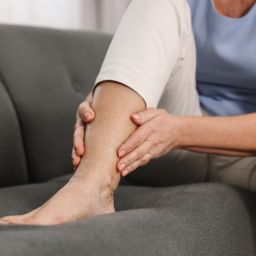


Do your legs feel unusually heavy, tired, or uncomfortable after a long day? While occasional fatigue is normal, persistent leg heaviness may signal an underlying circulation problem. Chronic venous insufficiency is a common vascular condition that affects how blood travels from your legs back to your heart.
For many people, symptoms gradually worsen throughout the day, especially after prolonged sitting or standing. Consequently, what initially seems like ordinary tiredness may indicate that your veins are struggling to circulate blood efficiently.
Understanding why this happens can help you recognize warning signs and seek appropriate treatment before complications develop.
What Is Chronic Venous Insufficiency?
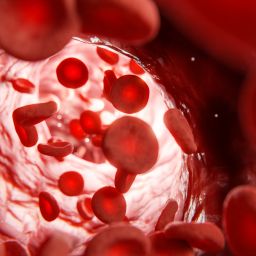
Chronic venous insufficiency (CVI) occurs when the veins in your legs cannot efficiently return blood to your heart. Normally, tiny one-way valves inside your veins prevent blood from flowing backward.
However, when these valves weaken or become damaged, blood can flow in the wrong direction. This process, called venous reflux, allows blood to collect in the lower extremities.
As pressure increases inside the veins, you may experience swelling, aching, heaviness, and other uncomfortable symptoms.
Additionally, chronic venous insufficiency may develop alongside varicose veins or following previous blood clots. Without proper management, the condition can progress and affect your overall vascular health.
Why Does Chronic Venous Insufficiency Cause Heavy Legs at Night?
One of the most recognizable characteristics of chronic venous insufficiency is leg discomfort that intensifies throughout the day.
Gravity plays a significant role in this pattern. When you spend hours sitting or standing, your veins must continuously move blood upward against gravity.
Healthy vein valves and calf muscles work together to accomplish this task. However, damaged valves make returning blood to the heart more difficult.
As a result, pressure builds inside your lower-leg veins, creating sensations of heaviness, tightness, and fatigue.
Several factors can make these symptoms more noticeable:
- Prolonged standing: Remaining upright increases pressure inside your leg veins.
- Extended sitting: Limited calf muscle movement reduces the natural pumping action that supports circulation.
- Swelling: Fluid accumulation contributes to uncomfortable pressure around the ankles and calves.
- Reduced movement: Inactivity limits the muscle contractions that normally help move blood upward.
Interestingly, many people notice improvement after elevating their legs or resting overnight. This temporary relief happens because elevation helps reduce venous pressure.
However, recurring symptoms may indicate an ongoing circulation issue rather than simple muscle fatigue.
Other Warning Signs of Chronic Venous Insufficiency
Leg heaviness is not the only symptom associated with chronic venous insufficiency. In fact, several physical changes may appear as the condition progresses.
Common warning signs include:
- Persistent aching or throbbing in the lower legs
- Swelling around the ankles or calves
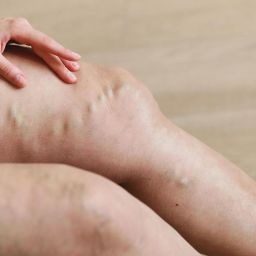
- Visible varicose veins
- Itching, burning, or irritated skin
- Leg cramps, particularly during nighttime hours
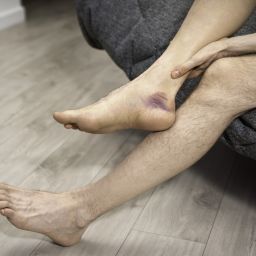
- Brownish or reddish skin discoloration near the ankles
- Skin that becomes unusually thick, tight, or leathery
- Slow-healing wounds near the ankles
Not everyone experiences every symptom. Furthermore, some individuals develop discomfort before noticeable varicose veins appear.
Although these symptoms may suggest venous disease, other medical conditions can cause similar problems. Therefore, professional vascular testing is essential for an accurate diagnosis.
Who Is Most Likely to Develop Chronic Venous Insufficiency?
Certain health conditions and lifestyle factors increase your likelihood of developing chronic venous insufficiency.
For example, people who spend long hours standing may experience greater pressure on their leg veins. This includes teachers, healthcare workers, retail employees, and others with physically demanding jobs.
Additional risk factors include:
- Aging and naturally weakening vein valves
- Family history of venous disease
- Previous deep vein thrombosis
- Pregnancy-related changes in circulation
- Excess body weight
- Limited physical activity
- Extended periods of sitting or standing
However, having these risk factors does not automatically mean you have CVI.
Likewise, chronic venous insufficiency can affect people who otherwise maintain active, healthy lifestyles.
How Is Chronic Venous Insufficiency Diagnosed?
Identifying the underlying cause of leg heaviness requires more than evaluating symptoms alone.
A vascular specialist typically begins by reviewing your medical history and examining your legs. Additionally, diagnostic ultrasound imaging can help determine whether blood is flowing properly through your veins.
Duplex ultrasound uses sound waves to evaluate blood movement, vein function, and potential abnormalities.
This testing can reveal venous reflux, identify affected veins, and help detect blood clots when clinically indicated.
At Sonoran Vein and Endovascular, experienced vascular specialists and certified vascular ultrasound technicians provide diagnostic evaluations for venous circulation problems.
Consequently, patients can receive treatment recommendations based on their specific vascular condition rather than symptoms alone.
What Treatments Can Help Relieve Heavy, Aching Legs?
Treatment for chronic venous insufficiency depends on the severity of the condition, underlying vein abnormalities, and individual health considerations.
Fortunately, many patients can manage their symptoms through conservative measures or minimally invasive procedures.
Lifestyle Changes and Compression Therapy
For mild symptoms, physicians may recommend regular walking, leg elevation, and appropriate compression stockings.
Walking activates the calf muscles, which help push blood toward the heart. Meanwhile, elevating the legs can temporarily reduce swelling and pressure.
Medical-grade compression stockings may also improve circulation and decrease discomfort. However, patients should consult a vascular specialist before beginning compression therapy, particularly if arterial disease is suspected.
Endovenous Laser Ablation
For certain damaged veins, endovenous laser ablation uses controlled laser energy to close the affected vessel.
Blood then redirects through healthier veins, potentially reducing symptoms associated with venous reflux.
Sclerotherapy
Sclerotherapy involves injecting a specialized solution into problematic veins, causing them to close.
This minimally invasive treatment may help address certain varicose veins and other superficial venous abnormalities.
Ambulatory Phlebectomy
Ambulatory phlebectomy removes selected varicose veins through small skin openings.
When appropriate, this outpatient procedure can address troublesome surface veins contributing to discomfort.
Sonoran Vein and Endovascular offers advanced vascular treatment options, including endovenous laser ablation, sclerotherapy, ambulatory phlebectomy, and compression therapy guidance.
The appropriate approach depends on diagnostic findings and the patient’s individual needs.
When Should You Seek Medical Attention for Heavy Legs?
Occasional leg fatigue does not necessarily indicate vascular disease. However, recurring heaviness deserves attention, especially when accompanied by swelling or visible vein changes.
Consider scheduling a vascular evaluation if:
- Your legs regularly feel heavy toward the end of the day.
- Swelling becomes increasingly noticeable.
- Leg discomfort interferes with walking or daily activities.
- Varicose veins become painful.
- Skin discoloration or persistent irritation develops.
- You notice a wound near your ankle that heals slowly.
Importantly, sudden swelling or pain in one leg requires prompt medical evaluation because it may indicate a blood clot. Sudden shortness of breath or chest pain requires emergency medical attention.
Early evaluation can help identify circulation problems before more serious complications develop.
Find Relief From Chronic Venous Insufficiency With Expert Vascular Care
Persistent leg heaviness should not become something you simply accept as part of everyday life. Chronic venous insufficiency can affect comfort, mobility, and long-term vascular health.
Fortunately, identifying the underlying cause creates opportunities for appropriate treatment and symptom management.
Sonoran Vein and Endovascular provides comprehensive vascular evaluations and minimally invasive treatment options for patients throughout Arizona and New Mexico.
With experienced vascular specialists, advanced ultrasound diagnostics, and personalized treatment plans, the practice helps patients address venous circulation problems.
If your legs feel heavy, swollen, or uncomfortable after a long day, contact us at Sonoran Vein and Endovascular. Schedule a consultation to explore your symptoms and discover treatment options that may help restore comfort and support healthier circulation.