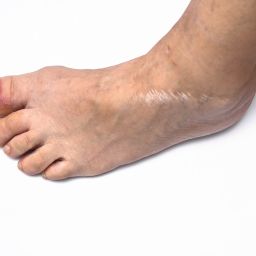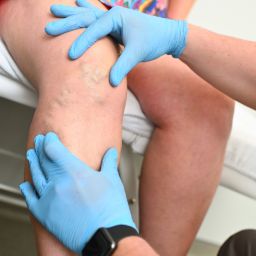


Peripheral Arterial Disease mobility issues often begin quietly, yet they can quickly reshape daily routines. For many people, walking becomes harder, movement feels limited, and independence slowly fades. Peripheral Arterial Disease, commonly called PAD, restricts blood flow to the legs and feet, which directly impacts how the body moves and functions. Understanding how PAD affects walking and mobility helps patients recognize symptoms early and seek effective treatment before quality of life declines further.
Sonoran Vein & Endovascular focuses on diagnosing and treating circulation conditions like PAD using advanced, minimally invasive techniques. With early care and expert guidance, patients can often regain comfort, confidence, and mobility.
Understanding Peripheral Arterial Disease and Blood Flow
Peripheral Arterial Disease occurs when plaque builds up inside the arteries that carry oxygen-rich blood to the legs. As these arteries narrow, blood flow drops, especially during activity. Muscles require more oxygen while walking, so reduced circulation quickly leads to discomfort.
Peripheral Arterial Disease mobility challenges are not simply signs of aging. Instead, they result from poor circulation that prevents muscles from working efficiently. Over time, this lack of blood flow can weaken muscles and limit endurance, even during simple movements.
Why Walking Becomes Painful With PAD
One of the most common PAD symptoms affecting mobility is claudication. Claudication causes cramping, aching, or tightness in the calves, thighs, or hips during walking. The pain usually eases with rest but returns once activity resumes.
This cycle often discourages movement. As walking becomes uncomfortable, people naturally reduce activity. Unfortunately, reduced movement can worsen circulation over time, creating a frustrating loop. Peripheral Arterial Disease mobility declines further when muscles weaken from lack of use.
How PAD Limits Daily Activities
Peripheral Arterial Disease mobility limitations extend beyond structured exercise. Everyday activities such as grocery shopping, climbing stairs, or standing for extended periods can feel exhausting. Many patients adjust routines to avoid discomfort, which affects productivity and independence.
In addition, PAD may cause legs to feel heavy, weak, or unstable. These sensations increase fall risk, especially in older adults. As confidence in movement declines, social activities may also decrease, leading to isolation and reduced emotional well-being.
Fatigue and Reduced Endurance
PAD does not only cause pain. It often leads to persistent leg fatigue. Because muscles receive less oxygen, they tire faster. Walking short distances may feel like intense exertion.
Peripheral Arterial Disease mobility problems often cause patients to stop mid-activity to recover. Over time, this limited endurance affects work, travel, and recreational pursuits. Many people mistakenly attribute this fatigue to aging rather than circulation issues.
The Emotional Impact of Limited Mobility
Loss of mobility affects more than physical health. As PAD restricts movement, frustration and anxiety commonly follow. People may feel discouraged when they cannot keep up with family or maintain hobbies they once enjoyed.
Peripheral Arterial Disease mobility challenges can also lead to fear of pain. Anticipating discomfort causes some individuals to avoid walking altogether. This emotional burden highlights why early diagnosis and treatment are so important.
Advanced PAD and Mobility Decline
When PAD progresses, symptoms can worsen significantly. Pain may occur even at rest, particularly in the feet or toes. At this stage, mobility becomes severely limited.
Poor circulation can also slow healing and increase the risk of sores or ulcers. These wounds make walking even more difficult and raise the risk of serious complications. Early intervention helps prevent PAD from reaching this advanced stage.
How PAD Affects Overall Quality of Life
Peripheral Arterial Disease mobility issues often reduce overall quality of life. Limited movement affects physical fitness, emotional health, and independence. Over time, inactivity may contribute to weight gain, joint stiffness, and additional health concerns.
However, PAD does not have to control daily life. With accurate diagnosis and tailored treatment, many patients experience improved walking ability and renewed confidence.
How Endovascular Treatment Can Improve Mobility
Modern endovascular care focuses on restoring blood flow without major surgery. Minimally invasive procedures open narrowed arteries, allowing oxygen-rich blood to reach leg muscles again. As circulation improves, walking becomes more comfortable and endurance increases.
Sonoran Vein & Endovascular specializes in personalized PAD treatment plans. Their approach targets the underlying circulation problem while minimizing downtime. Many patients notice meaningful improvements in Peripheral Arterial Disease mobility after treatment.
The Importance of Early Evaluation
Recognizing PAD symptoms early makes a significant difference. Leg pain during walking, persistent fatigue, or cold feet should never be ignored. A comprehensive vascular evaluation identifies circulation issues before mobility declines further.
Early care supports better outcomes and helps patients maintain independence. Addressing PAD promptly also reduces the risk of severe complications that limit movement.
Taking Steps Toward Better Mobility
Living with Peripheral Arterial Disease mobility challenges can feel overwhelming. However, expert vascular care offers hope. With proper diagnosis, treatment, and guidance, patients can regain strength, improve walking comfort, and enjoy daily activities again.
Sonoran Vein & Endovascular provides advanced solutions designed to restore circulation and improve quality of life. If leg discomfort or mobility issues are interfering with your routine, now is the time to seek professional care.
Moving Forward With Confidence
Improved mobility begins with understanding the cause. Peripheral Arterial Disease affects walking in ways that are often misunderstood. By addressing circulation problems early, patients protect both movement and long-term health.
Contact us today to schedule a vascular evaluation with Sonoran Vein & Endovascular and take the first step toward improved mobility, comfort, and independence.