

Peripheral arterial disease and non-healing wounds often connect in ways patients do not expect. A small sore on the foot, toe, ankle, or lower leg may seem minor at first. However, when blood flow is limited, that wound may struggle to heal. Over time, it can become painful, infected, or more serious.
At Sonoran Vein & Endovascular, patients receive advanced vascular care for conditions that affect circulation. Their team treats both arterial and venous disorders, including peripheral arterial disease, chronic wounds, and limb-threatening circulation problems. Because PAD can progress quietly, early evaluation can make a major difference.
What Is Peripheral Arterial Disease?
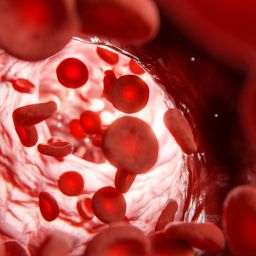
Peripheral arterial disease, also called PAD, happens when narrowed or blocked arteries reduce blood flow to the limbs. It most often affects the legs and feet. Plaque buildup inside the arteries usually causes this narrowing.
As circulation decreases, the tissues in the lower legs and feet may not receive enough oxygen-rich blood. As a result, walking can become painful. Some people feel cramping, heaviness, weakness, or numbness in the legs. However, others notice skin changes or slow-healing wounds before they connect the problem to circulation.
Peripheral arterial disease and non-healing wounds can become especially concerning for people with diabetes, high cholesterol, high blood pressure, or a history of smoking. These risk factors can damage blood vessels and make healing more difficult.
Why PAD Can Cause Non-Healing Wounds
Wound healing depends on healthy blood flow. Blood carries oxygen, nutrients, and infection-fighting cells to injured tissue. Therefore, when PAD limits circulation, the body may not have what it needs to repair the area.
This is why a wound on the foot or toe may stay open for weeks. It may also become larger, darker, more painful, or more prone to infection. In more advanced cases, severe circulation loss can lead to tissue death or gangrene.
Peripheral arterial disease and non-healing wounds should never be ignored. Even a small sore can point to a larger vascular issue. Fortunately, vascular testing can help identify whether poor circulation is affecting healing.
Warning Signs Patients Should Watch For
Some PAD symptoms are easy to mistake for aging, arthritis, or general soreness. However, certain signs deserve attention. Patients should schedule a vascular evaluation if they notice:
- Leg pain or cramping while walking that improves with rest
- Foot, toe, or leg wounds that do not heal
- Coldness in one foot or leg
- Numbness, tingling, or weakness in the legs
- Skin that looks shiny, pale, bluish, or discolored
- Poor toenail growth or hair loss on the legs
- Pain in the feet while resting, especially at night
These symptoms may not always mean PAD. Still, they should be checked. Early diagnosis can help patients avoid more serious complications.
How Sonoran Vein & Endovascular Evaluates PAD
Sonoran Vein & Endovascular offers diagnostic testing for peripheral arterial disease in a comprehensive vascular setting. Their team can evaluate symptoms, review risk factors, and determine whether circulation may be affecting wound healing.
Testing may include an ankle-brachial index, also called ABI. This simple test compares blood pressure in the ankle and arm. A toe-brachial index, or TBI, may also help assess blood flow in smaller vessels. Additionally, duplex ultrasound can show how blood moves through the arteries.
In some cases, an angiogram may help doctors see blockages more clearly. This test uses imaging and contrast dye to view the arteries. Once the team understands the location and severity of the blockage, they can recommend the right next step.
Treatment Options That Support Better Circulation
The best treatment depends on the patient’s condition, symptoms, wound status, and overall health. Some patients need lifestyle changes and medical management. Others may benefit from a minimally invasive vascular procedure.
Sonoran Vein & Endovascular specializes in minimally invasive endovascular techniques for PAD. These treatments may include angioplasty and stenting. During angioplasty, a small catheter helps open a narrowed artery. A stent may help keep the artery open.
Laser atherectomy may also remove plaque from a narrowed artery. For more complex cases, surgical bypass may be considered. However, minimally invasive options often allow for smaller incisions, less discomfort, and shorter recovery when appropriate.
By improving blood flow, treatment may help the body deliver more oxygen and nutrients to a chronic wound. As a result, wound care can become more effective.
Limb Preservation Starts With Early Action
Peripheral arterial disease and non-healing wounds can increase the risk of limb loss when they go untreated. That is why limb preservation matters. The goal is to identify serious circulation problems early, treat the underlying vascular issue, and help patients maintain mobility and quality of life.
Sonoran Vein & Endovascular’s limb preservation approach focuses on patients with PAD, diabetes, poor blood flow, ulcers, gangrene risk, and other lower-extremity concerns. Their team understands that every minute counts when wounds fail to heal or circulation becomes severely limited.
Patients should not wait until a wound becomes severe. Instead, they should seek care when healing seems delayed, pain increases, or skin changes appear.
Take the Next Step Toward Better Vascular Health
Peripheral arterial disease and non-healing wounds require more than surface-level care. While wound dressings and infection control may help, poor circulation can keep the wound from improving. Therefore, a vascular evaluation can be one of the most important steps in the healing process.
Sonoran Vein & Endovascular provides advanced vascular diagnosis, PAD treatment, wound care support, and limb preservation services across Arizona and New Mexico. Their compassionate team works to create customized care plans for each patient.
If you have a wound that will not heal, leg pain while walking, or signs of poor circulation, contact us today to schedule an appointment with Sonoran Vein & Endovascular.