

Leg cramping is often dismissed as muscle fatigue or aging. However, it can signal something more serious. Understanding claudication is essential because it often points to underlying circulation problems that require medical attention.
At Sonoran Vein & Endovascular, patients receive expert care for vascular conditions, including those affecting blood flow to the legs. Knowing when leg pain is more than a simple cramp can make all the difference in protecting your long-term health.
What Is Claudication?
Claudication refers to muscle pain caused by reduced blood flow, typically in the legs. This discomfort usually occurs during physical activity and improves with rest.
Rather than being a condition itself, claudication is a symptom. It is most commonly linked to Peripheral Artery Disease, where arteries become narrowed due to plaque buildup.
When circulation is restricted, muscles do not receive enough oxygen during activity. As a result, pain, cramping, or fatigue develops, especially when walking or exercising.
How Claudication Relates to Circulation Problems
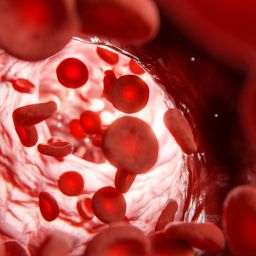
To understand claudication, it helps to look at how healthy circulation works. Arteries deliver oxygen-rich blood to muscles. During activity, your muscles demand more oxygen.
However, when arteries narrow due to plaque buildup, blood flow cannot keep up.
This reduced circulation causes the hallmark symptoms of claudication. At Sonoran Vein & Endovascular, specialists frequently diagnose PAD when patients report leg pain that improves with rest.
Over time, untreated circulation problems can worsen and impact mobility and overall quality of life.
Common Symptoms of Claudication
Claudication symptoms can vary, but they often follow a predictable pattern. Recognizing these signs early can help prevent more serious complications.
Pain During Activity
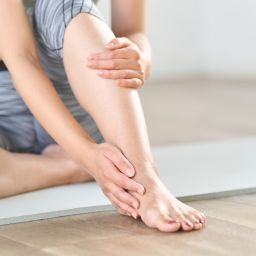
Most patients experience cramping, aching, or fatigue in the calves, thighs, or buttocks when walking. The pain typically stops within minutes of resting.
Muscle Weakness or Fatigue
Reduced blood flow can lead to muscle weakness, making everyday activities more difficult.
Numbness or Tingling
Some individuals feel tingling or numbness due to poor circulation in the affected limbs.
Skin and Temperature Changes
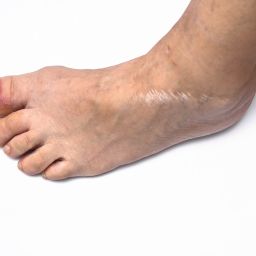
Cold feet, skin discoloration, or slow-healing wounds may also indicate circulation problems.
If these symptoms sound familiar, it may be time to seek evaluation from a vascular specialist.
Risk Factors for Claudication and PAD
Several risk factors increase the likelihood of developing claudication. Many of these are manageable with proper care and lifestyle changes.
Smoking
Smoking damages blood vessels and accelerates plaque buildup in arteries.
Diabetes
High blood sugar levels can harm arteries and reduce circulation.
High Blood Pressure and Cholesterol
These conditions contribute to narrowing of the arteries over time.
Age and Family History
Individuals over 50 or those with a family history of vascular disease are at higher risk.
At Sonoran Vein & Endovascular, identifying these risk factors early allows for proactive treatment and prevention strategies.
Why Early Diagnosis Matters
Claudication is not just about discomfort. It is often a warning sign of a broader vascular issue.
If left untreated, PAD can progress to more severe conditions. These may include chronic pain, non-healing wounds, or even critical limb ischemia, which can threaten limb health.
Moreover, circulation problems in the legs often indicate similar issues elsewhere in the body. This increases the risk of heart attack and stroke.
Therefore, early diagnosis and treatment are essential for both symptom relief and overall cardiovascular health.
How Sonoran Vein & Endovascular Can Help
At Sonoran Vein & Endovascular, patients benefit from advanced diagnostic tools and minimally invasive treatments tailored to their needs.
Comprehensive Evaluation
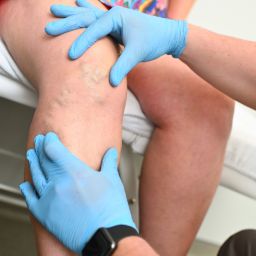
Specialists use techniques such as ultrasound and vascular testing to assess blood flow and identify blockages.
Minimally Invasive Treatments
Procedures like angioplasty, stenting, and atherectomy can restore circulation with shorter recovery times.
Personalized Care Plans
Each patient receives a customized approach that may include lifestyle changes, medications, and procedural interventions.
This combination of expertise and advanced technology helps patients regain mobility and improve their quality of life.
Lifestyle Changes That Support Healthy Circulation
In addition to medical treatment, certain lifestyle adjustments can improve circulation and reduce symptoms.
Regular exercise, especially walking programs, can help improve blood flow over time.
A heart-healthy diet rich in fruits, vegetables, and lean proteins supports vascular health.
Quitting smoking and managing conditions like diabetes and high blood pressure are also critical steps.
These changes, combined with professional care, can significantly reduce the progression of claudication.
When to Seek Medical Attention
You should not ignore recurring leg pain, especially if it occurs during activity and improves with rest.
If symptoms worsen or begin to occur at rest, this may indicate advanced disease and requires immediate evaluation.
Early intervention can prevent complications and help you maintain an active lifestyle.
Take the Next Step Toward Better Circulation
Understanding claudication is the first step in protecting your vascular health. While leg cramping may seem minor, it can be a sign of a serious circulation problem.
The experienced team at Sonoran Vein & Endovascular is dedicated to diagnosing and treating conditions like PAD with precision and care. Their advanced, minimally invasive solutions help patients restore blood flow and regain confidence in their mobility.
If you are experiencing symptoms of claudication or have concerns about your circulation, now is the time to act. Contact Sonoran Vein & Endovascular today to schedule a consultation and take control of your vascular health.