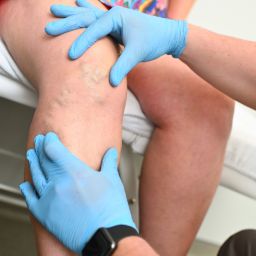

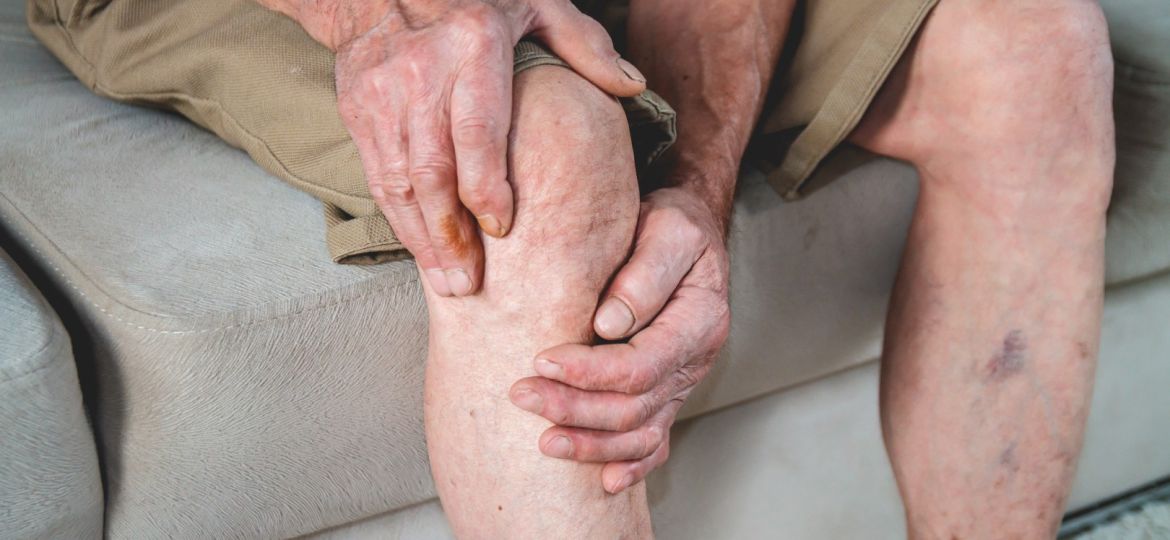
Leg pain can feel confusing, especially when symptoms overlap. Many people wonder whether their discomfort comes from circulation issues or nerve damage. Understanding peripheral arterial disease vs neuropathy is important because each condition requires a different diagnosis and treatment approach. At Sonoran Vein & Endovascular, helping patients identify the real cause of leg pain is essential for protecting long-term vascular health and mobility.
Although both conditions may cause pain, numbness, or weakness, the underlying causes are very different. Therefore, recognizing symptom patterns can help you know when it is time to seek professional care.
Understanding Peripheral Arterial Disease and Circulation Problems
Peripheral arterial disease, often called PAD, happens when plaque builds up in the arteries and limits blood flow to the legs and feet. As circulation decreases, muscles do not receive enough oxygen during activity. Because of this, many people notice pain or cramping while walking or exercising.
PAD is a serious vascular condition because poor circulation can increase the risk of wounds, ulcers, and severe complications if left untreated. In many cases, leg discomfort appears during activity and improves once the body rests. This predictable pattern is one of the key clues that separates peripheral arterial disease vs neuropathy.
Common symptoms of PAD include:
- Cramping or aching in the calves, thighs, or buttocks during activity
- Pain that improves with rest
- Cool or pale skin on the legs or feet
- Slow-healing wounds or sores
- Reduced pulses in the feet
Because PAD involves blood flow, symptoms often become more noticeable during movement when muscles demand more oxygen.
What Neuropathy Feels Like in the Legs and Feet
Neuropathy involves nerve damage rather than blocked blood vessels. Diabetic peripheral neuropathy is one of the most common forms, but nerve damage can also develop from other health conditions or injuries. When nerves become damaged, they send incorrect signals to the brain, which creates unusual sensations.
Unlike PAD, neuropathy symptoms do not always follow a predictable pattern. Pain may appear even when resting, and sensations often feel sharp or burning instead of cramping.
Common neuropathy symptoms include:
- Burning or tingling sensations
- Numbness in the feet or toes
- Sharp or shooting pain
- Sensitivity to touch
- Symptoms that worsen at night
Because feeling may decrease over time, people with neuropathy may not notice cuts or injuries. Consequently, this can increase the risk of infections or delayed healing.
Peripheral Arterial Disease vs Neuropathy: Key Differences to Watch For
Understanding the difference between peripheral arterial disease vs neuropathy becomes easier when you compare how symptoms behave. While both conditions affect the legs, they create very different sensations and patterns.
Pain timing:
PAD pain usually starts during walking or physical activity and improves with rest. Neuropathy pain can occur at any time and may feel constant or unpredictable.
Type of discomfort:
PAD often causes cramping or tightness. Neuropathy usually causes burning, tingling, or electric-like pain.
Skin and temperature changes:
PAD may lead to cool skin, color changes, or slow-healing wounds because blood flow is reduced. Neuropathy typically does not change circulation directly but may lead to unnoticed injuries due to numbness.
Underlying cause:
PAD is caused by narrowed or blocked arteries. Neuropathy results from nerve damage. However, some patients experience both conditions at the same time, which makes professional evaluation especially important.
Why Proper Diagnosis Is So Important
Many people assume leg pain is simply part of aging or overuse. However, delaying care can lead to serious complications. PAD may progress and reduce circulation significantly, while neuropathy can allow injuries to go unnoticed. Therefore, early diagnosis plays a critical role in preventing long-term problems.
At Sonoran Vein & Endovascular, specialists focus on identifying whether blood flow, nerve function, or a combination of both is responsible for symptoms. Diagnostic testing helps ensure treatment targets the real issue instead of only masking discomfort.
Furthermore, individuals with diabetes face increased risk for both PAD and neuropathy. For this reason, regular evaluations are essential if you notice numbness, cramping, or slow-healing wounds.
When to Seek Help for Leg Pain
Knowing when to schedule an evaluation can help prevent complications and protect mobility. You should consider professional care if you notice:
- Leg pain that appears while walking and improves with rest
- Persistent numbness or tingling in your feet
- Wounds or sores that heal slowly
- Severe cramping during activity
- Changes in skin color or temperature
Early assessment allows specialists to create a treatment plan before symptoms worsen. As a result, patients often experience better outcomes and improved quality of life.
Treatment Options for PAD and Neuropathy
Since peripheral arterial disease vs neuropathy have different causes, treatment plans vary. PAD treatment focuses on improving circulation through lifestyle changes, medical management, and advanced vascular procedures when necessary. Neuropathy treatment focuses on managing the underlying condition and reducing nerve discomfort.
Helpful lifestyle habits for both conditions include:
- Staying physically active
- Managing blood sugar levels
- Eating a balanced diet
- Avoiding smoking
- Performing daily foot checks
A complete vascular evaluation helps ensure treatment supports long-term health rather than offering temporary relief.
Protecting Your Mobility and Vascular Health
Living with leg pain can make everyday activities difficult. However, understanding peripheral arterial disease vs neuropathy allows you to take action sooner. Although symptoms may overlap, the causes and risks differ greatly. Therefore, professional evaluation is the best way to protect your mobility and overall wellness.
Sonoran Vein & Endovascular provides comprehensive care focused on accurate diagnosis and personalized treatment. Their goal is to help patients maintain healthy circulation, reduce discomfort, and prevent complications before they become serious.
Take the Next Step Toward Healthier Legs
If you are experiencing ongoing leg pain, numbness, or circulation concerns, now is the time to seek professional guidance. The team at Sonoran Vein & Endovascular is committed to helping you understand your symptoms and develop a personalized plan for lasting relief. Contact us today to schedule an evaluation and take the first step toward healthier legs.