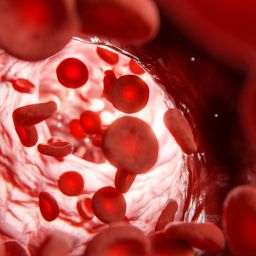


Circulation disorders include conditions affecting veins, arteries, or both. While symptoms may begin as mild discomfort, the underlying issue often worsens without intervention. Blood flow becomes increasingly restricted, which reduces oxygen delivery to muscles, skin, and organs.
Over time, this lack of healthy circulation places constant stress on tissues. As a result, the body struggles to heal itself, and small issues can escalate into chronic problems. Because progression is gradual, many patients delay seeking care until complications appear.
Chronic Pain and Reduced Mobility
One of the most common long-term effects of untreated circulation disorders is persistent pain. Poor blood flow to the legs and feet often causes cramping, aching, heaviness, or burning sensations. These symptoms may initially occur during activity, but they can later appear at rest.
As circulation continues to decline, mobility often suffers. Walking longer distances becomes difficult, and daily activities may feel exhausting. Eventually, some patients reduce movement altogether, which further worsens circulation and accelerates physical decline. This cycle can significantly impact independence and lifestyle.
Non-Healing Wounds and Skin Damage
Healthy circulation is essential for wound healing. When blood flow is compromised, even minor cuts or blisters can become serious concerns. Untreated circulation disorders frequently lead to slow-healing or non-healing wounds, particularly on the lower legs and feet.
Over time, skin may become thin, discolored, or fragile. Open sores increase the risk of infection, which can spread quickly in areas with limited blood supply. In severe cases, chronic wounds can threaten limb health and require urgent medical attention.
Increased Risk of Infection and Complications
Poor circulation weakens the body’s natural defense mechanisms. White blood cells and nutrients struggle to reach affected areas, making infections harder to fight. As a result, untreated circulation disorders often lead to recurring infections that take longer to resolve.
Additionally, infections in areas with compromised blood flow can become severe. Without prompt vascular care, these complications may require hospitalization or advanced treatment. Early diagnosis helps reduce these risks significantly.
Tissue Damage and Oxygen Deprivation
Long-term circulation problems deprive tissues of oxygen, a condition known as ischemia. When tissues lack oxygen for extended periods, damage becomes more likely. Muscles may weaken, nerves may become irritated, and normal sensation can diminish.
In advanced cases, prolonged oxygen deprivation leads to tissue death. This outcome is preventable with timely intervention, yet it remains a serious risk for patients who delay vascular evaluation. Addressing circulation disorders early helps preserve tissue health and function.
Cardiovascular and Whole-Body Effects
Circulation disorders do not exist in isolation. In many cases, they signal broader vascular health concerns. Untreated arterial problems, for example, often correlate with increased risk of heart attack or stroke.
Because arteries supply blood throughout the body, narrowing or blockages can affect multiple systems. Over time, this strain impacts overall cardiovascular health. Managing circulation disorders proactively supports not only limb health but also long-term heart and brain function.
Decline in Quality of Life
Beyond physical symptoms, untreated circulation disorders can affect emotional well-being. Chronic pain, limited mobility, and ongoing medical concerns often lead to frustration or anxiety. Patients may avoid social activities or hobbies they once enjoyed.
Sleep disturbances are also common, especially when leg pain worsens at night. Over time, these challenges can reduce overall quality of life. Early treatment helps patients stay active, confident, and engaged in daily living.
Why Early Diagnosis Makes a Difference
The long-term impact of untreated circulation disorders highlights the importance of early diagnosis. Modern vascular testing allows specialists to identify circulation issues before severe complications develop. With minimally invasive endovascular options available, many conditions can be treated safely and effectively.
Early intervention often means shorter recovery times, better outcomes, and reduced risk of long-term damage. Patients who seek care promptly have more treatment options and greater control over their vascular health.
Protecting Your Circulation for the Future
Circulation disorders are manageable when addressed early. Paying attention to symptoms such as leg pain, swelling, skin changes, or slow-healing wounds can make a lasting difference. Regular vascular evaluations help detect issues before they progress.
If you are experiencing signs of poor circulation, professional assessment is essential. The experienced team at Sonoran Vein & Endovascular provides comprehensive vascular care focused on long-term health and mobility. Contact Sonoran Vein & Endovascular today to schedule a consultation and take a proactive step toward protecting your circulation and quality of life.